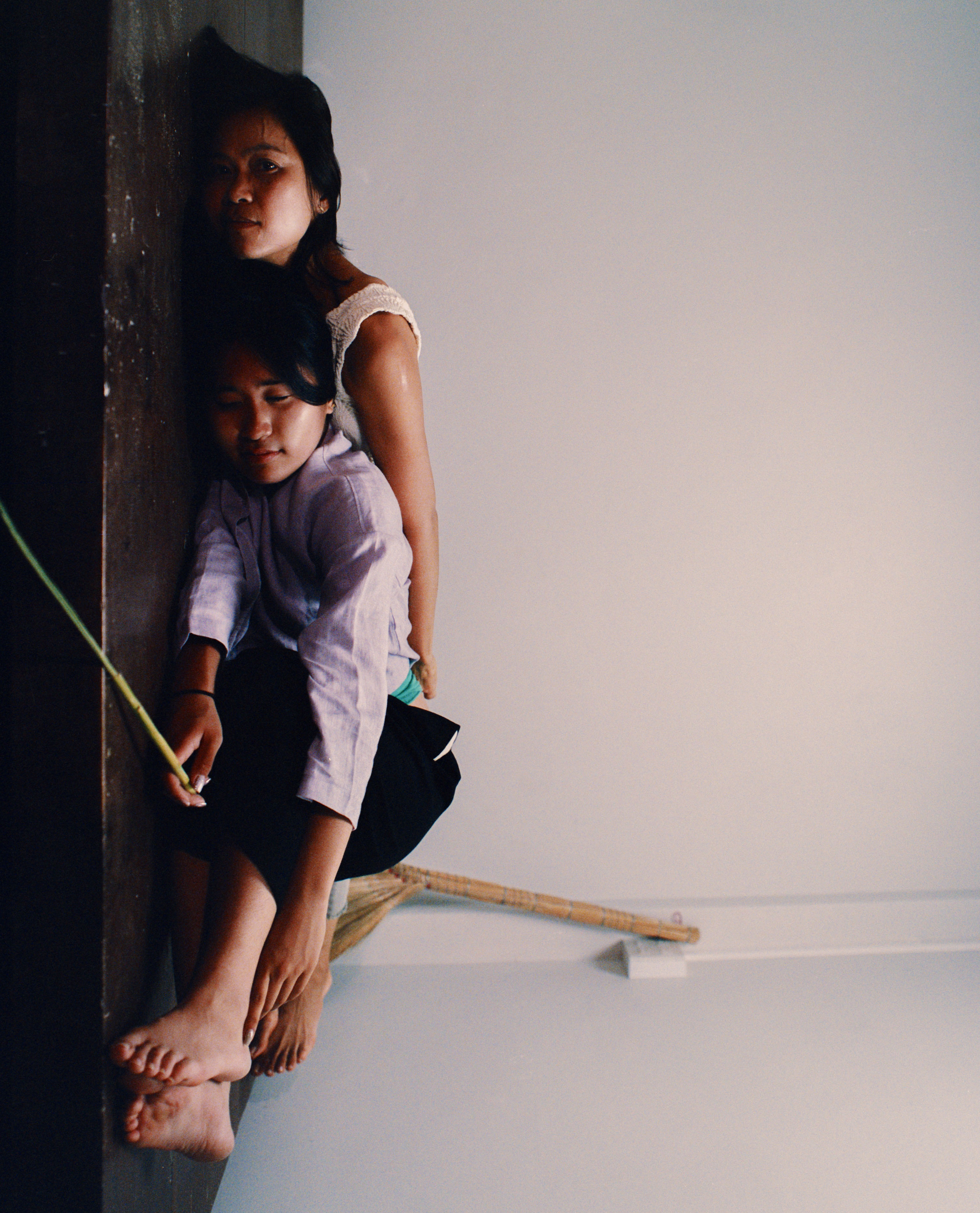
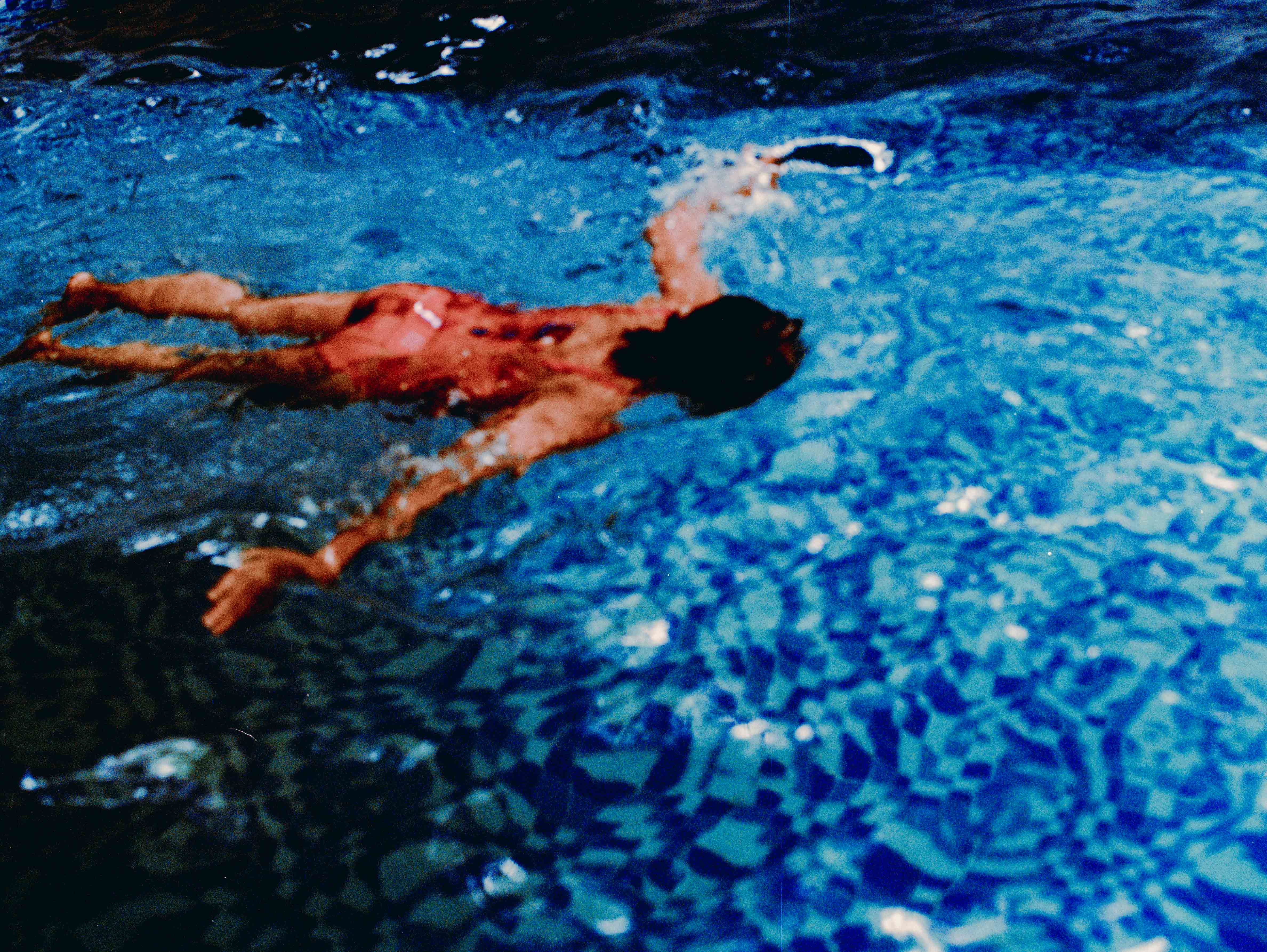
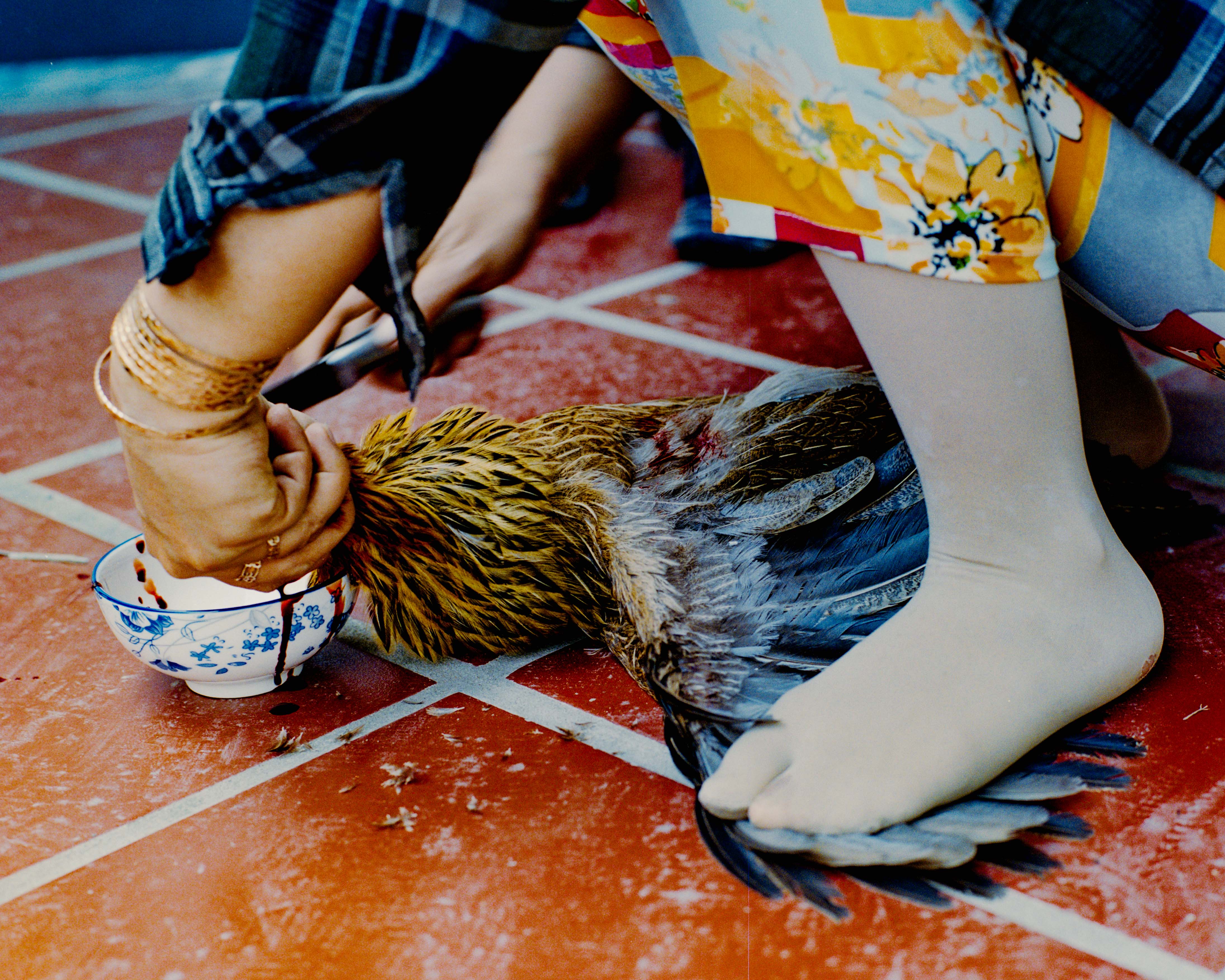
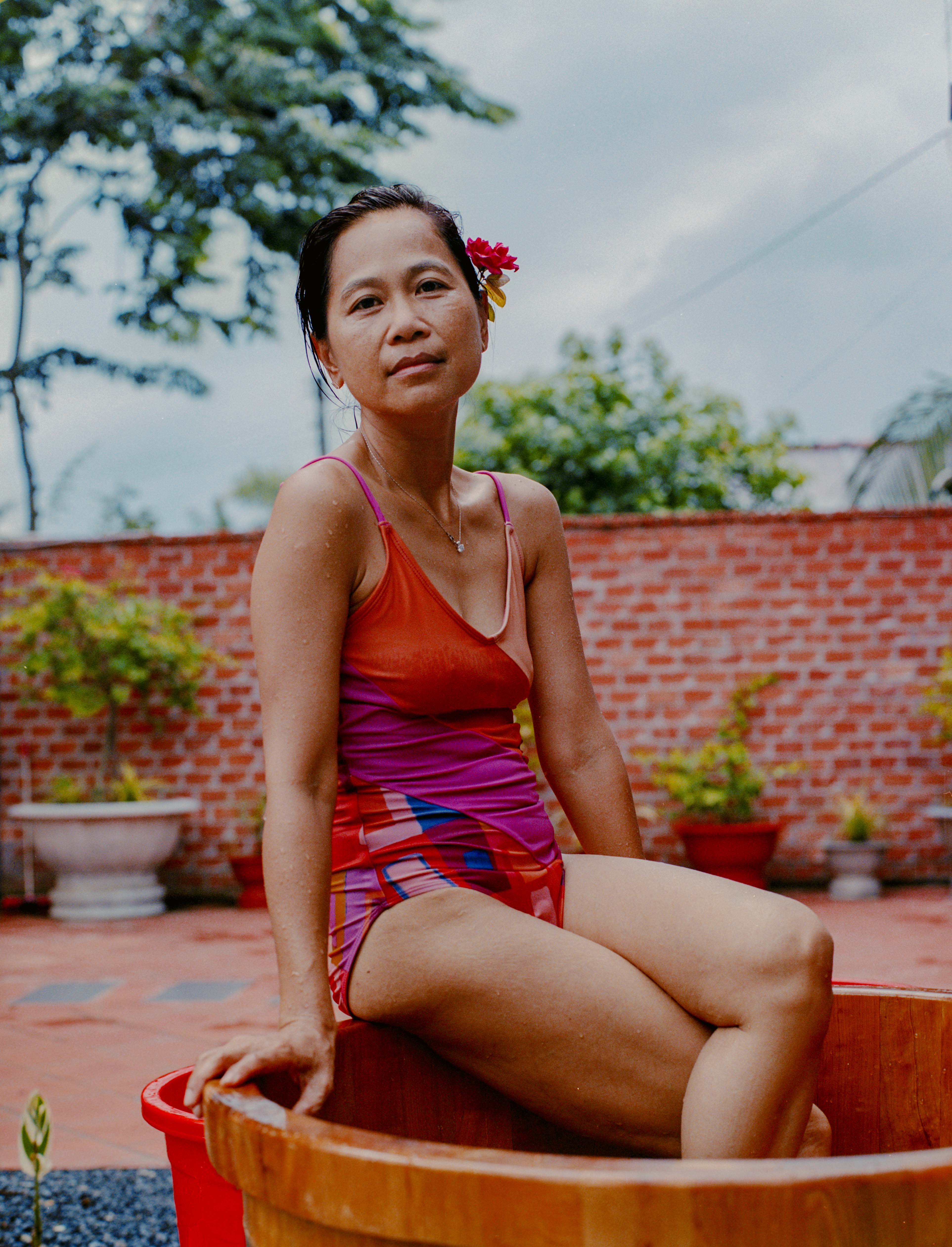
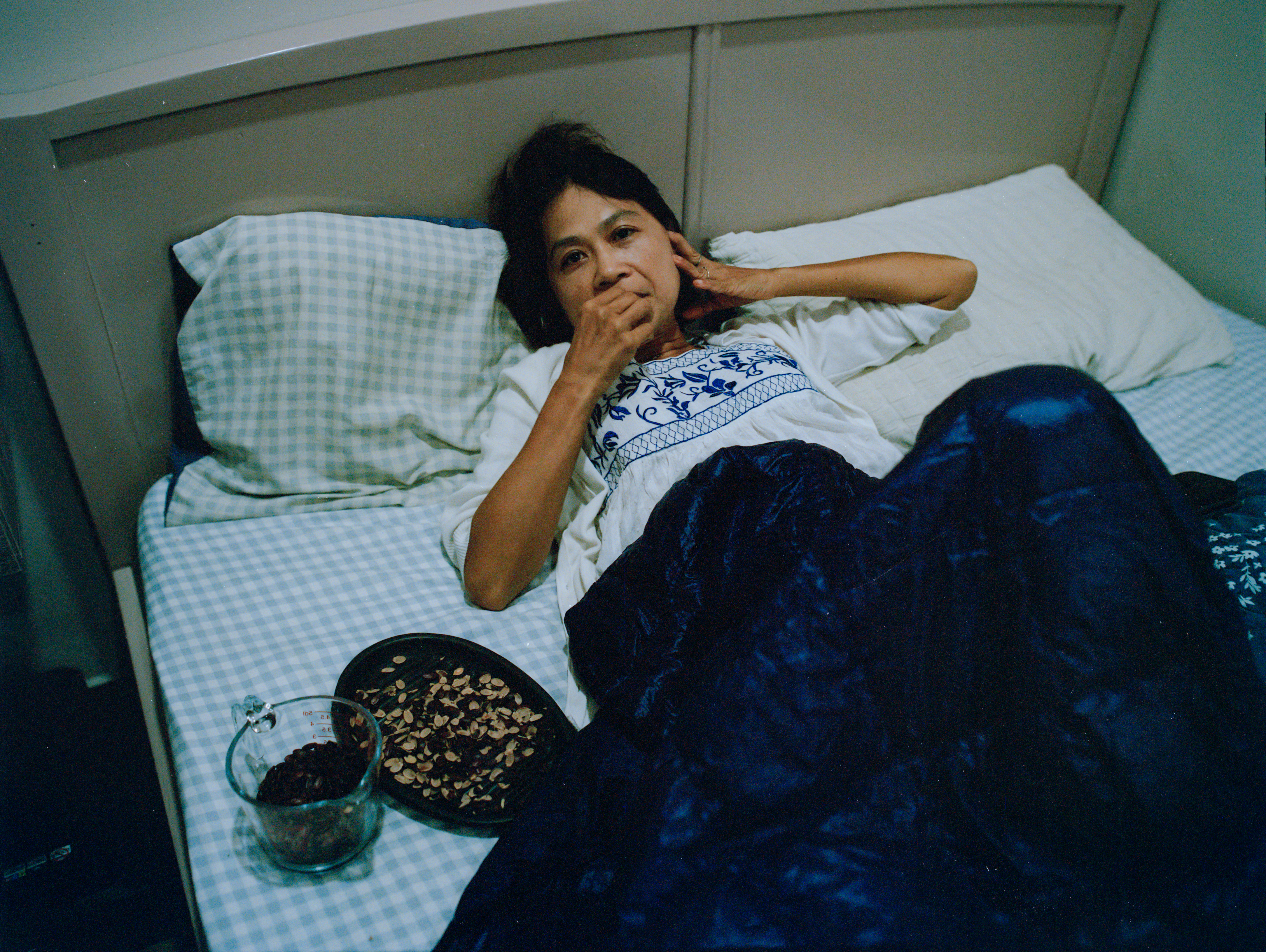
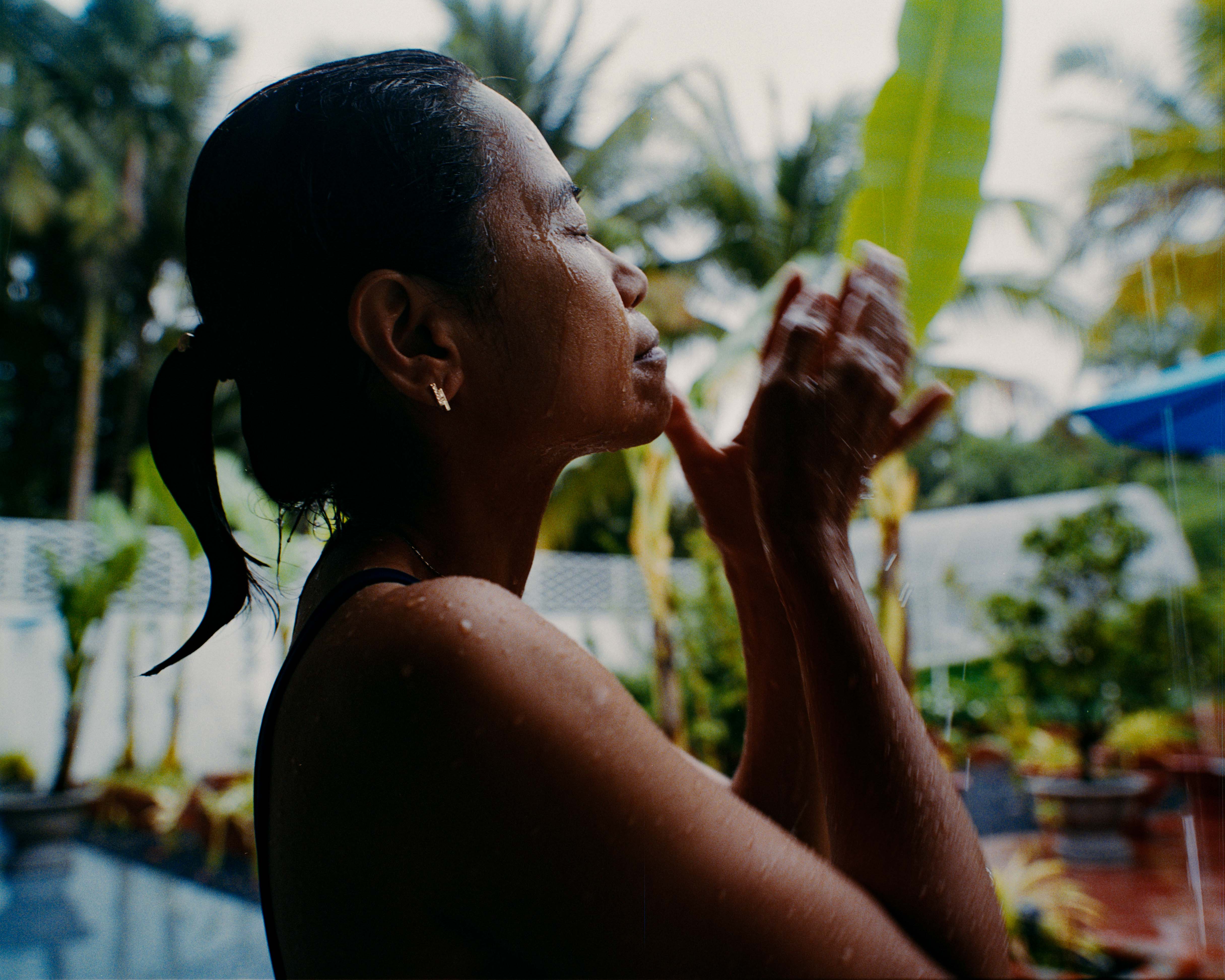
This past summer, Elinor Kry traveled to Vĩnh Long, Vietnam, in an attempt to understand why her mother returned to the country
she was forced to flee 44 years ago as a child refugee, after decades of building a life in the United States.
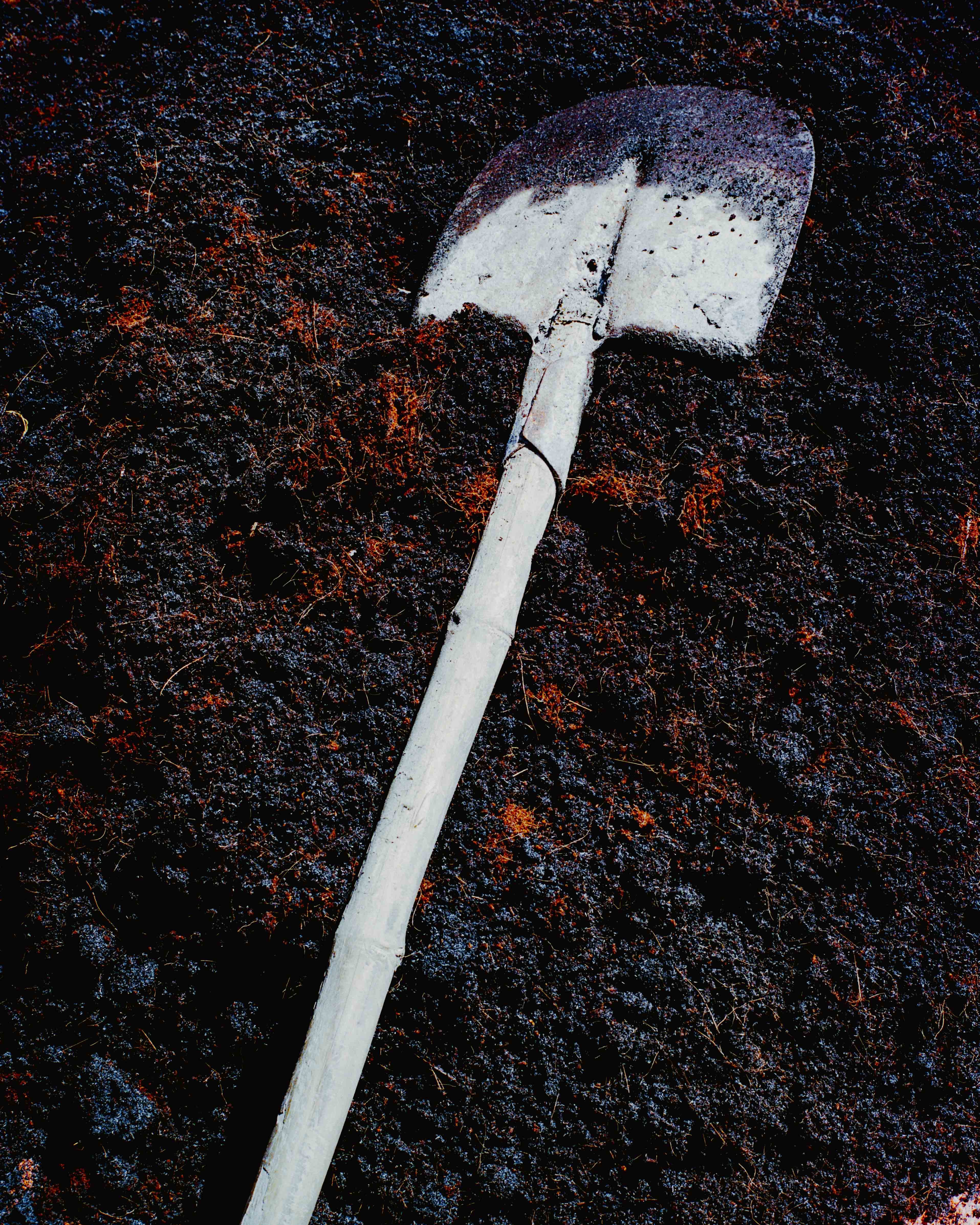
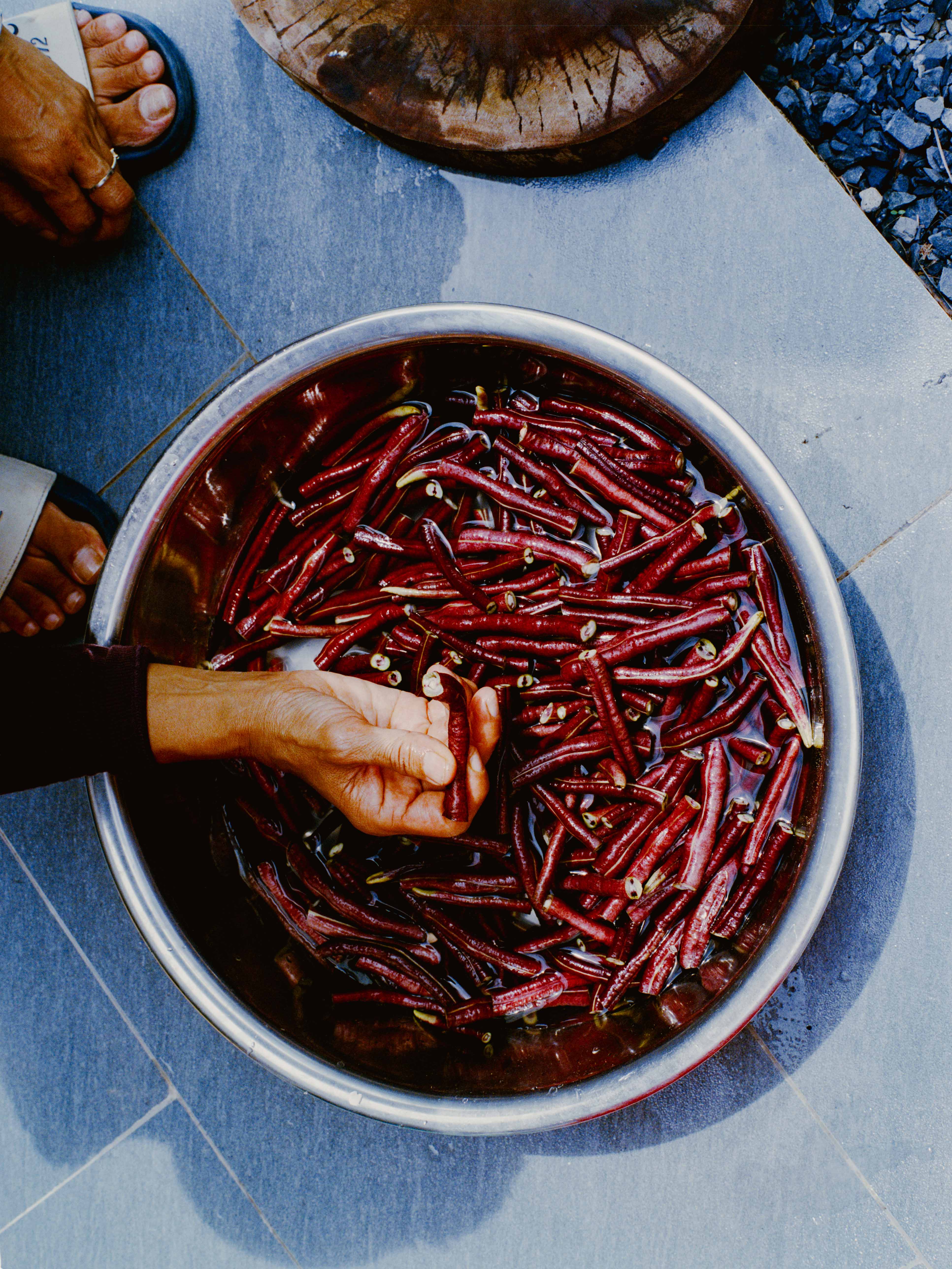
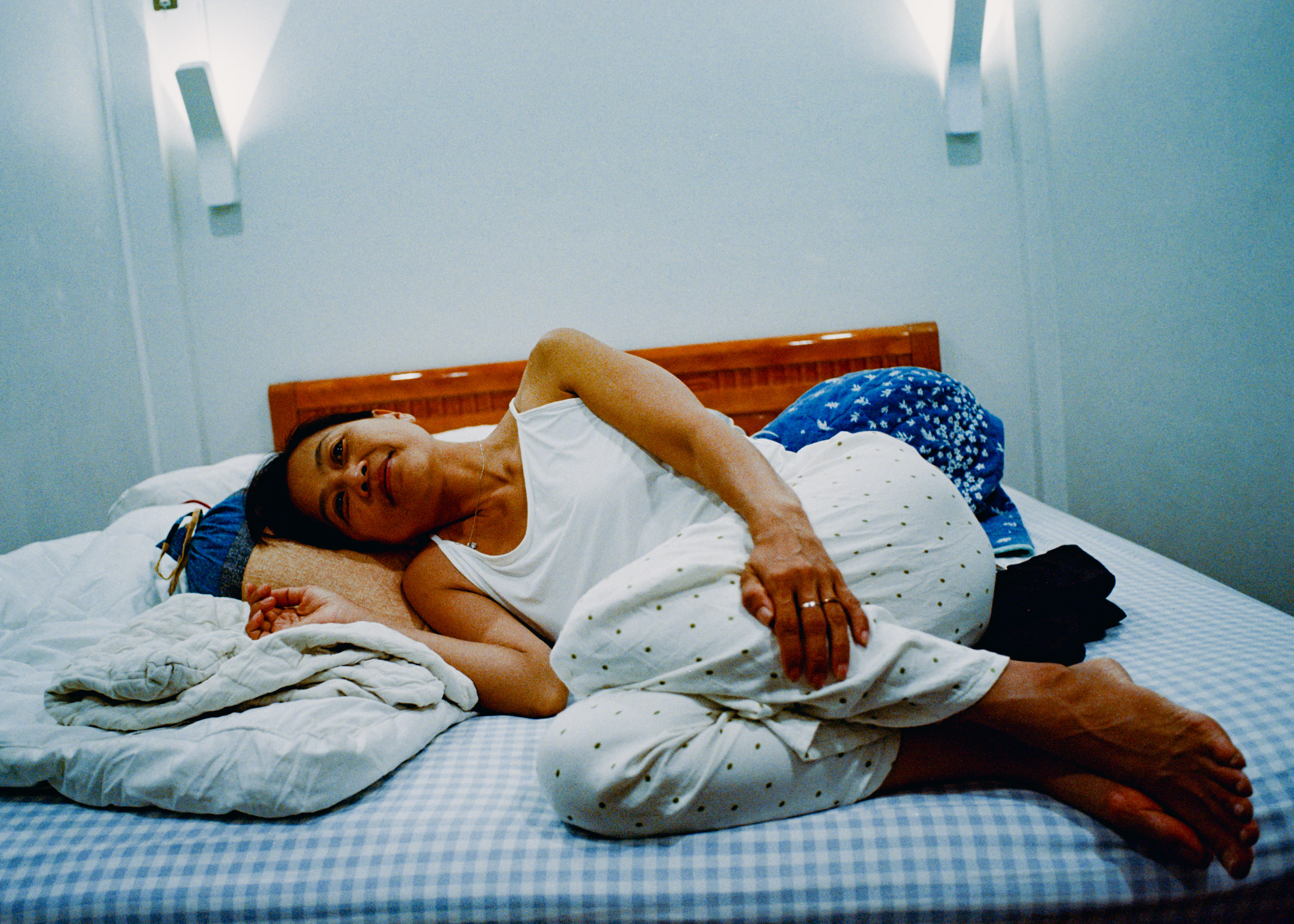
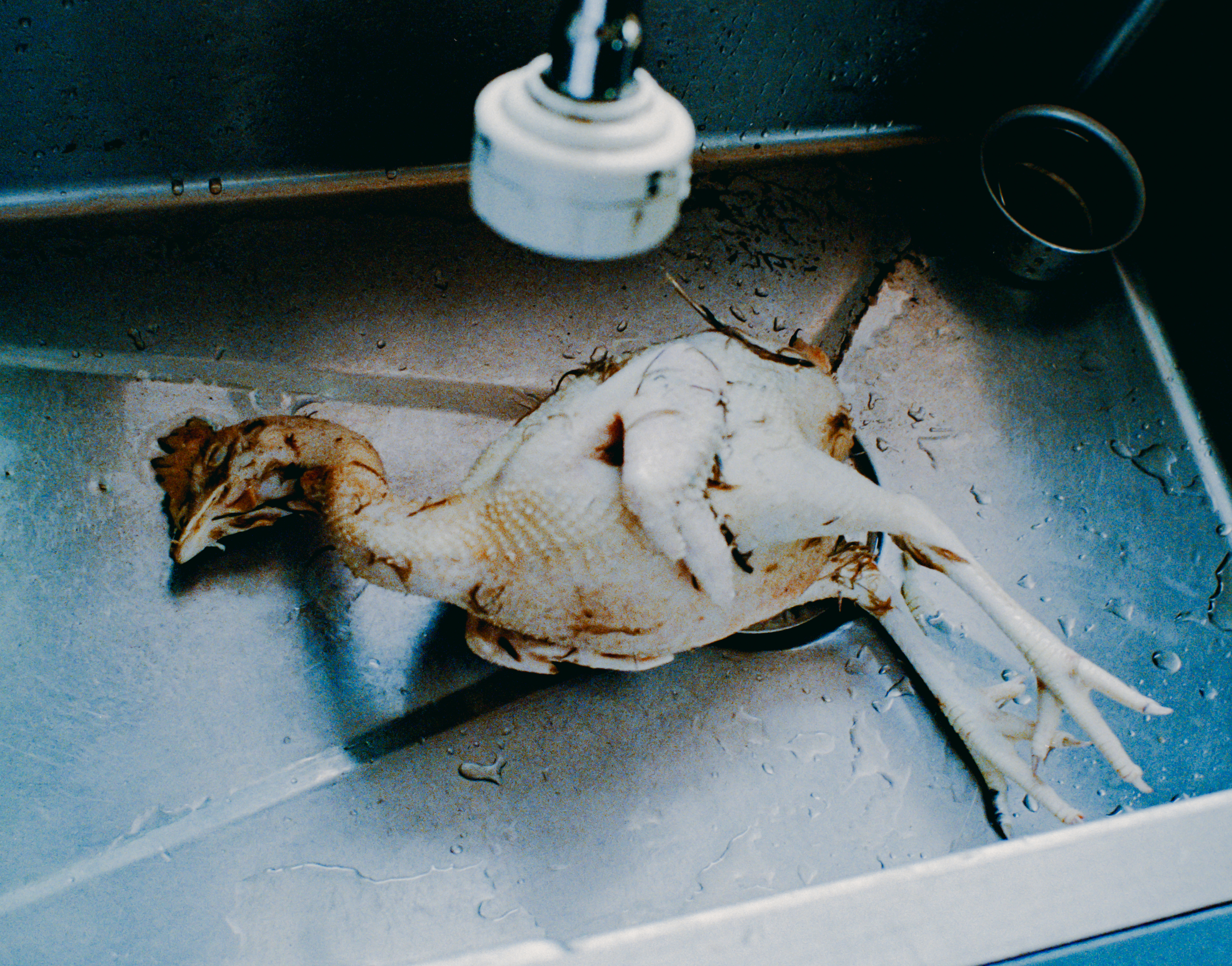
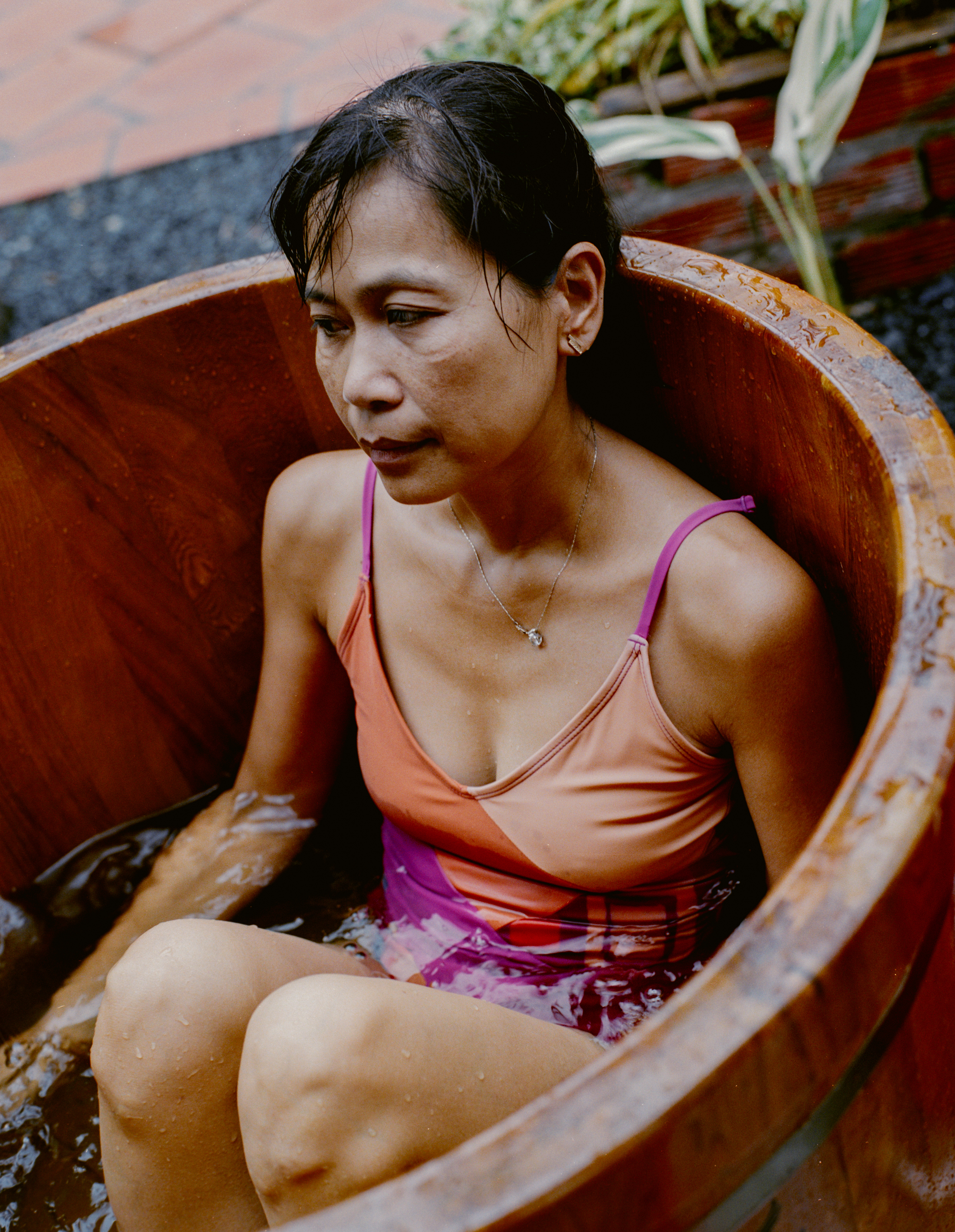
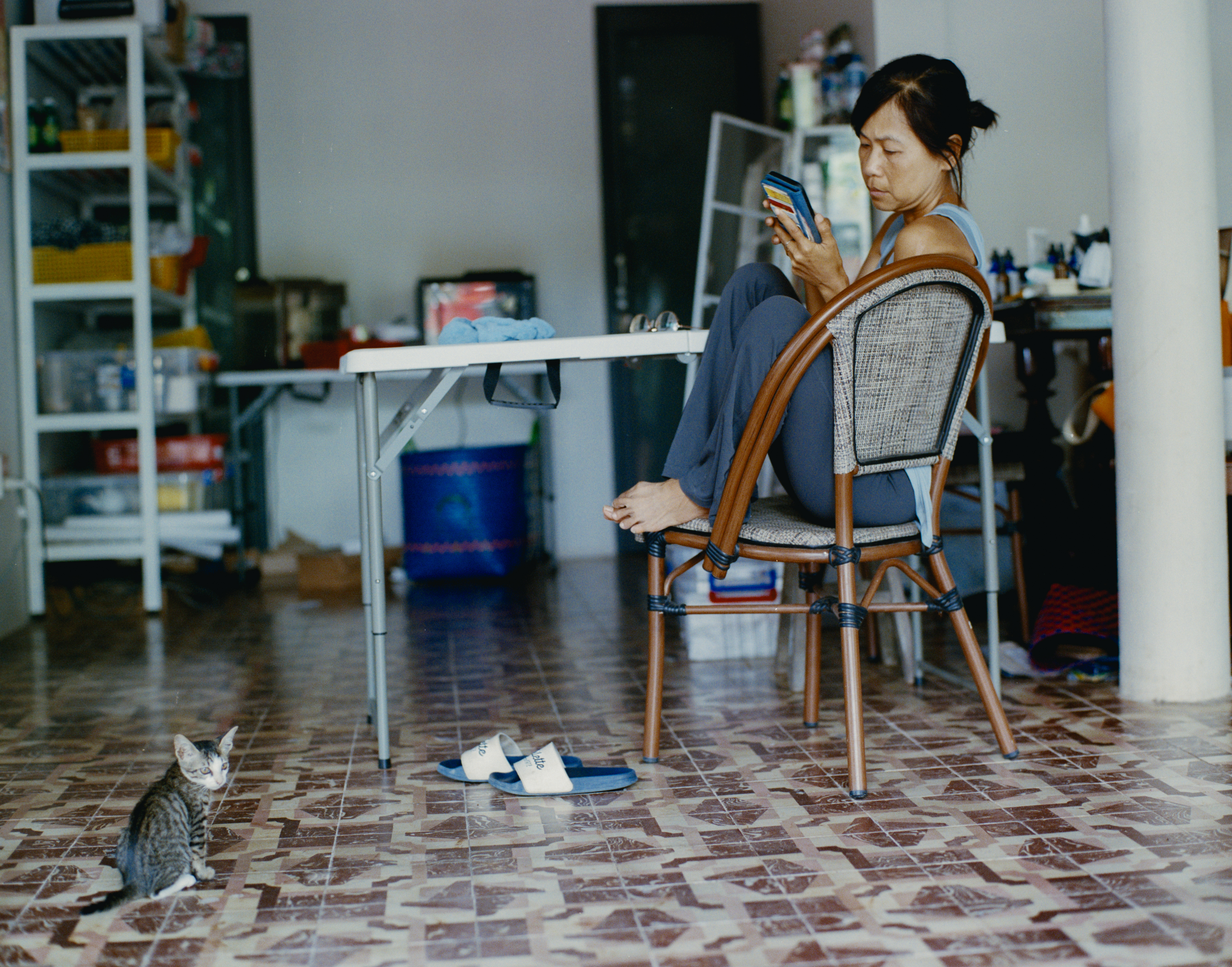
Kry was struck by how unfamiliar and distant her mother had become. She was bony like the chickens she raised, darker skinned
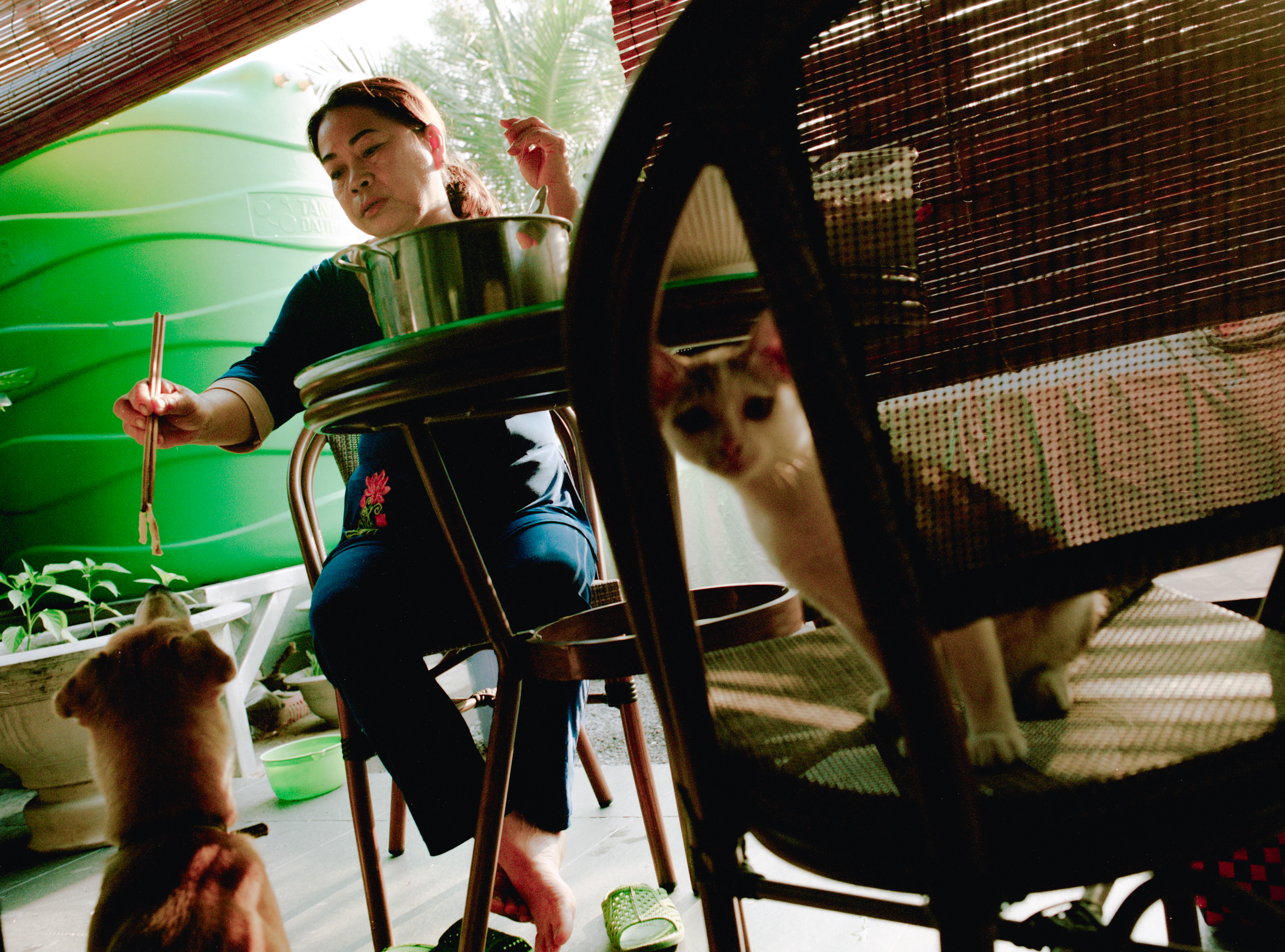
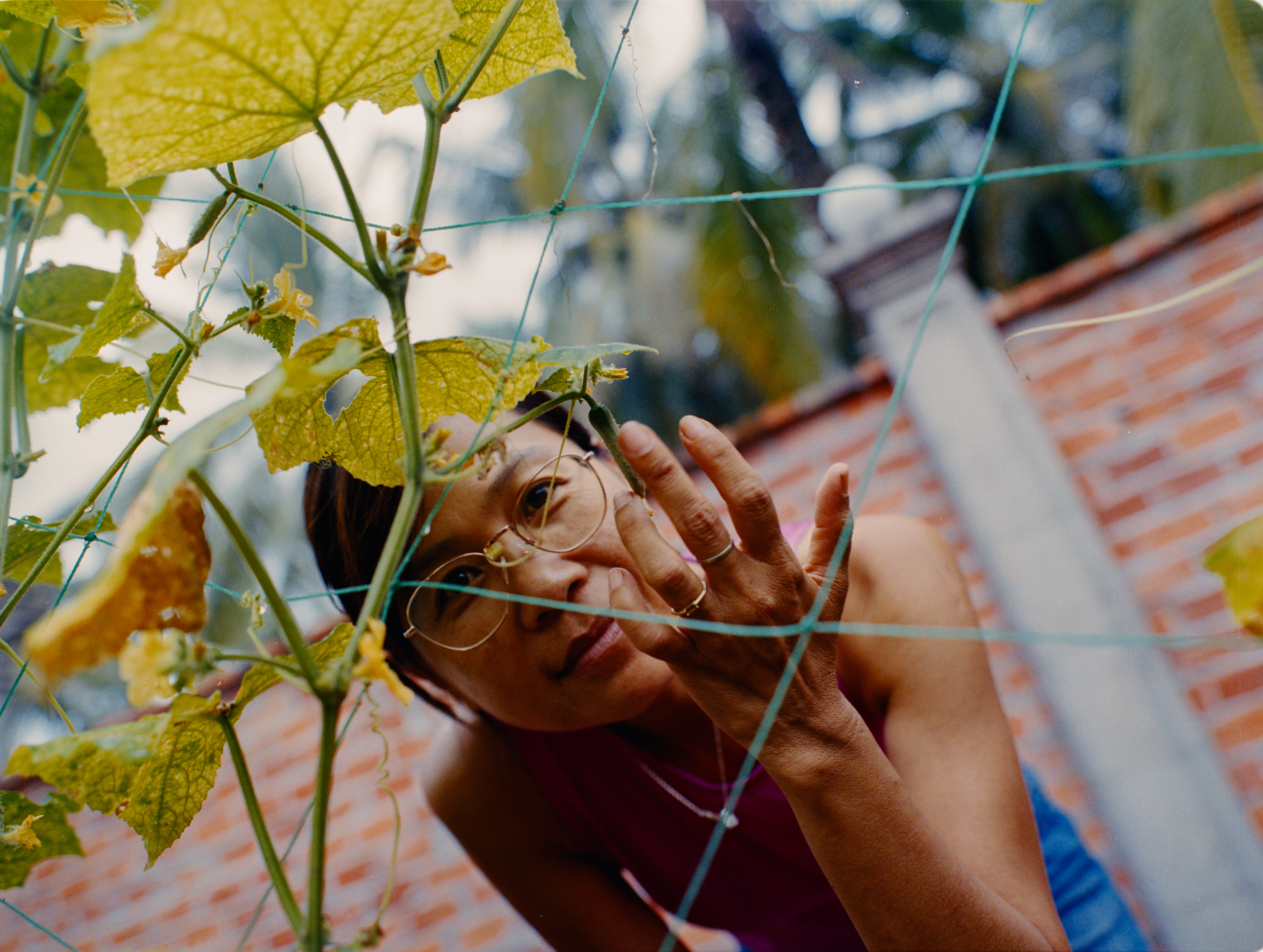
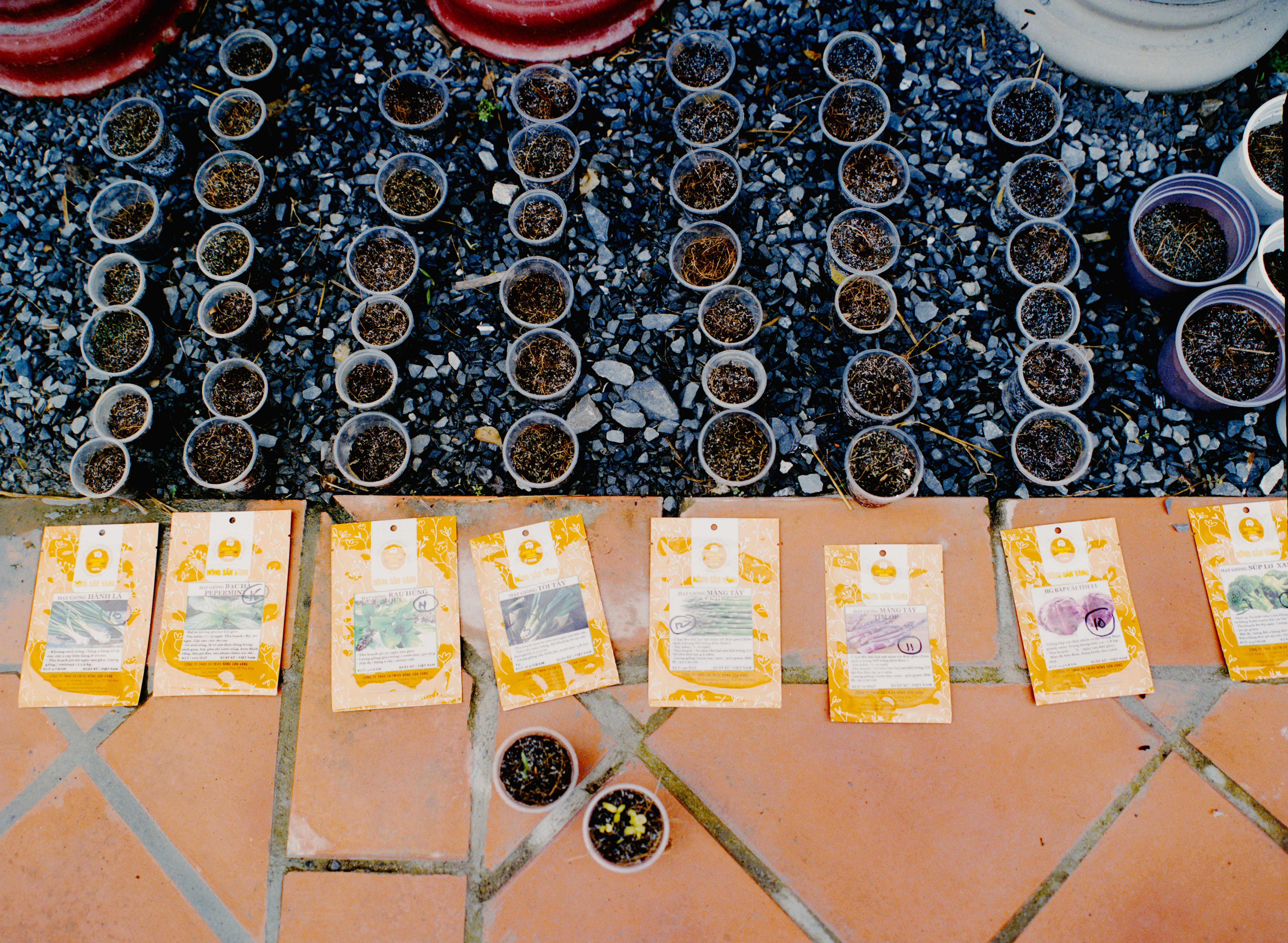
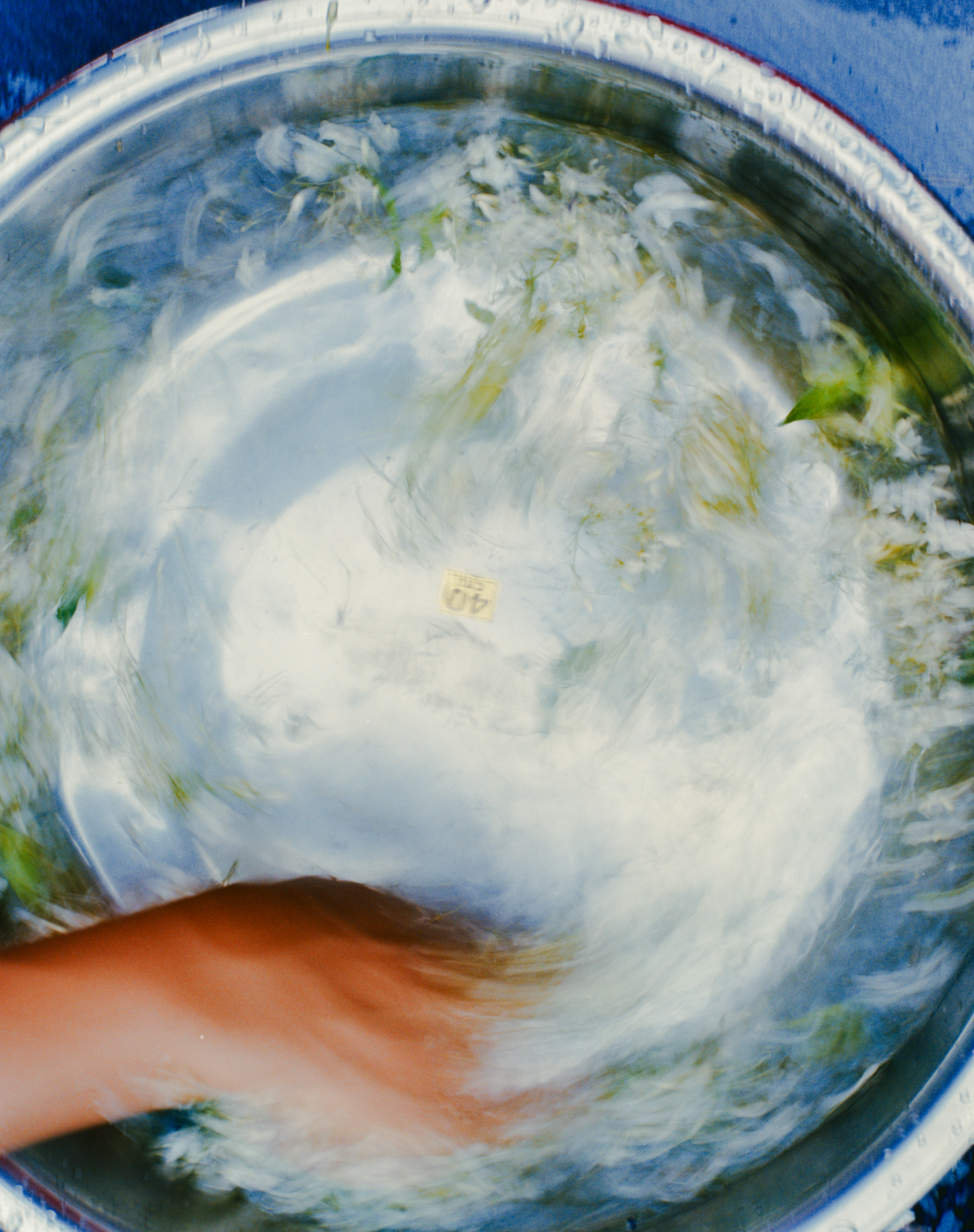
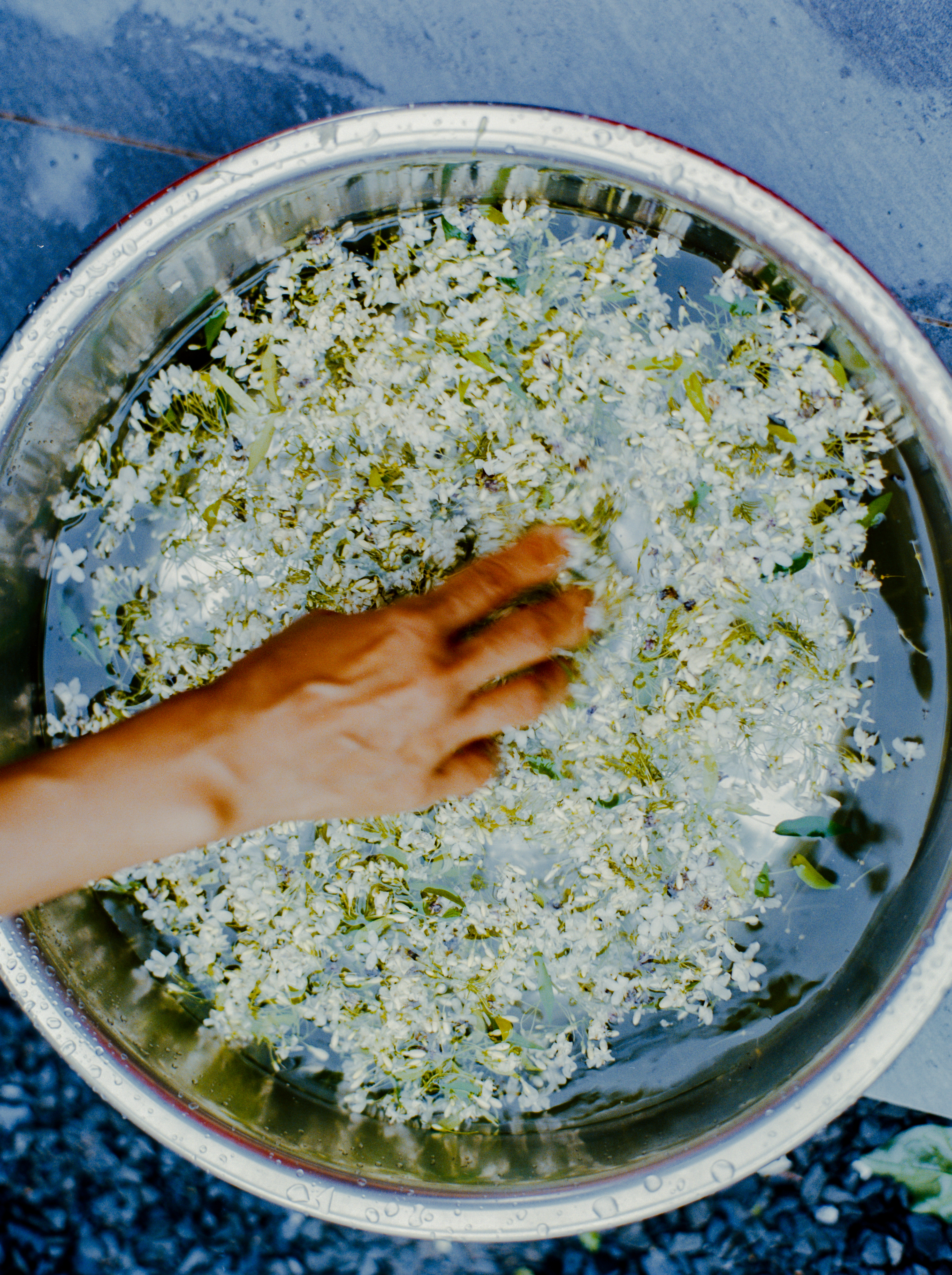
from laboring in the fields, her manner sharper yet newly confident. The only thing that seemed unchanged was her mother’s flourishing
love for growing and nurturing living things.
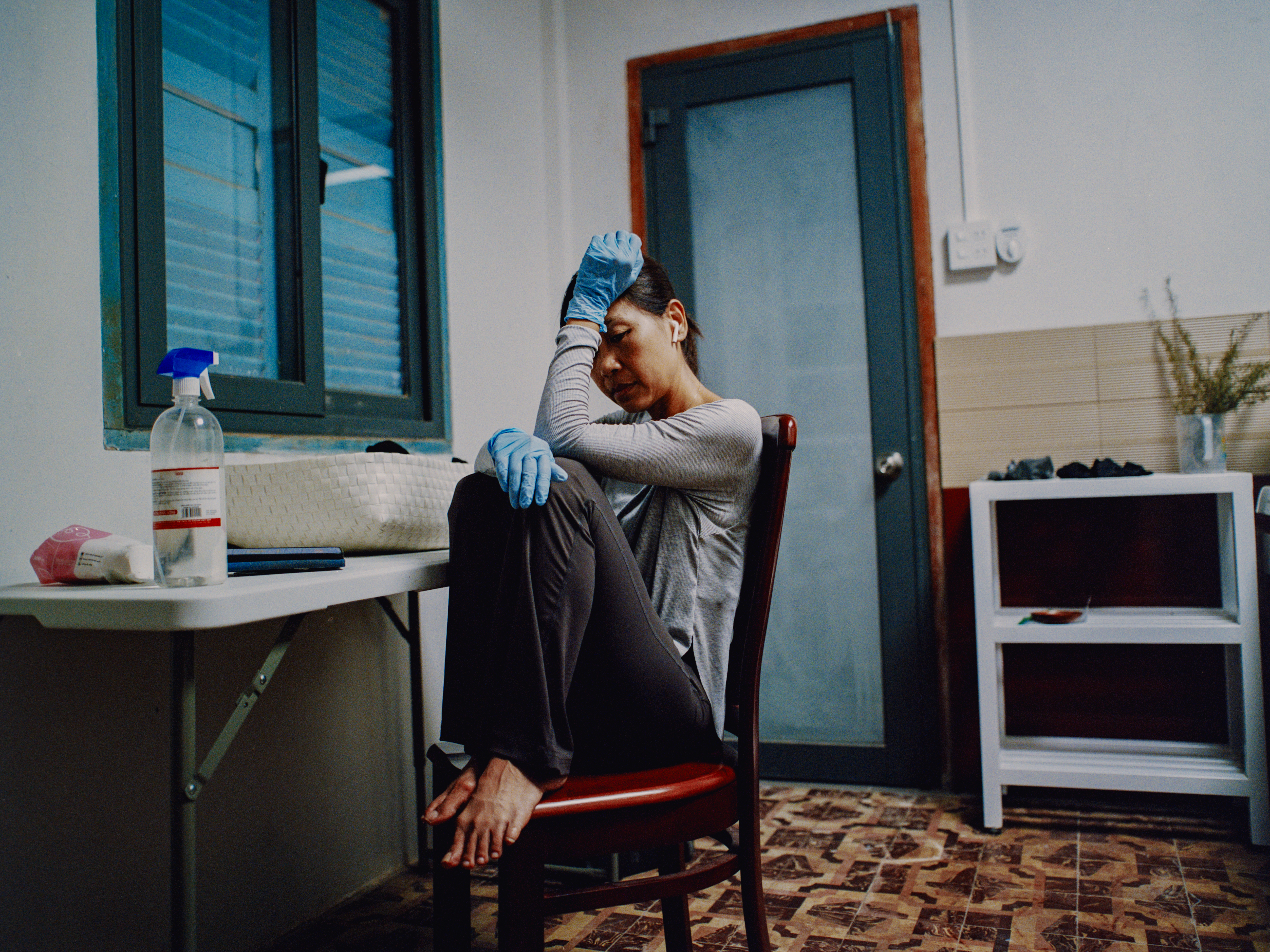
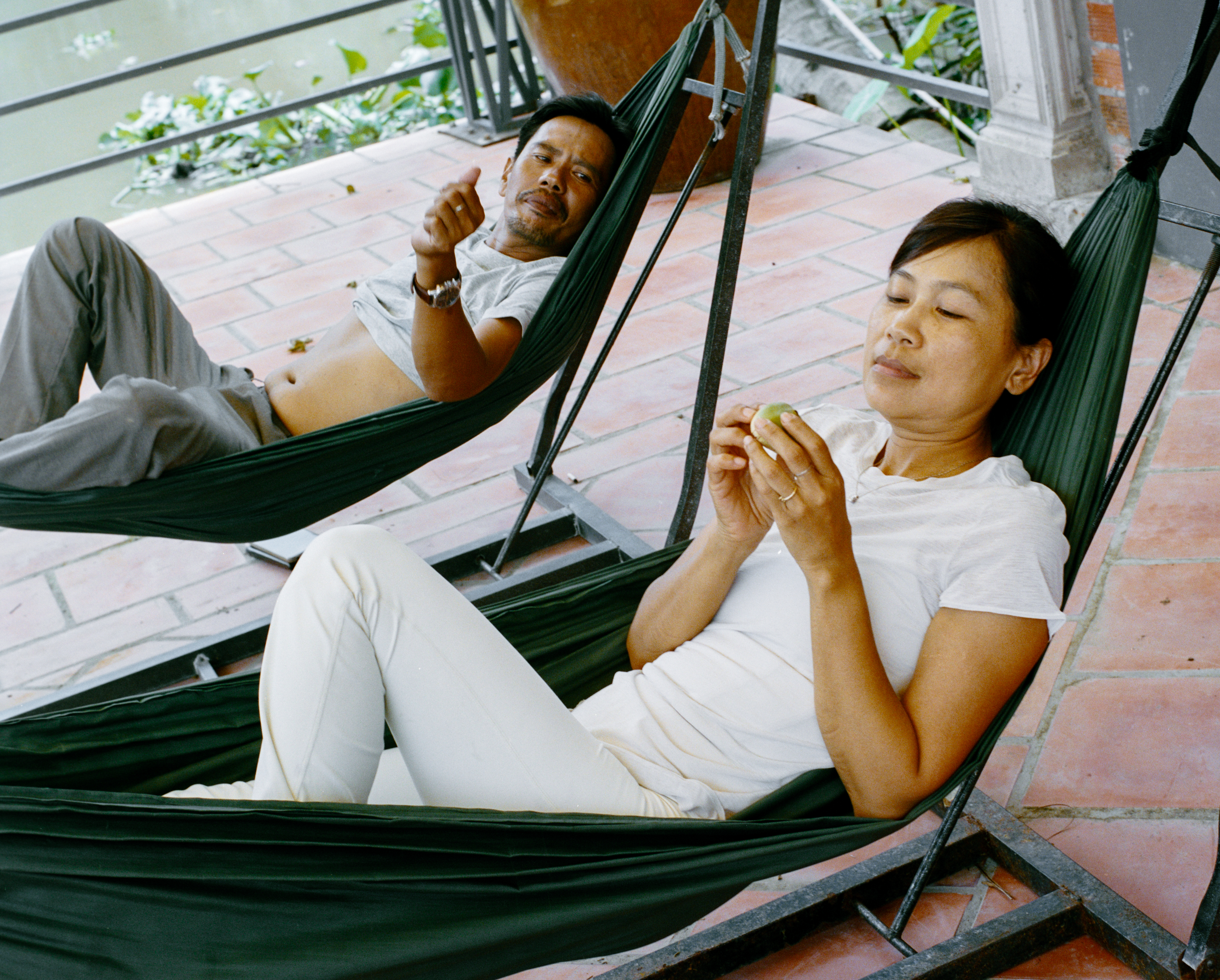
Over time, it became clear that her mother’s return was marked not by belonging but by violent and disorienting attempts to
reintegrate into Vietnamese life. The roots and connection with her family she had hoped for remained out of reach. Her relatives
bore the same scars of war, and their demonstrations of affection masked a transactional dynamic based on her mother’s position as a
Vietnamese-American.
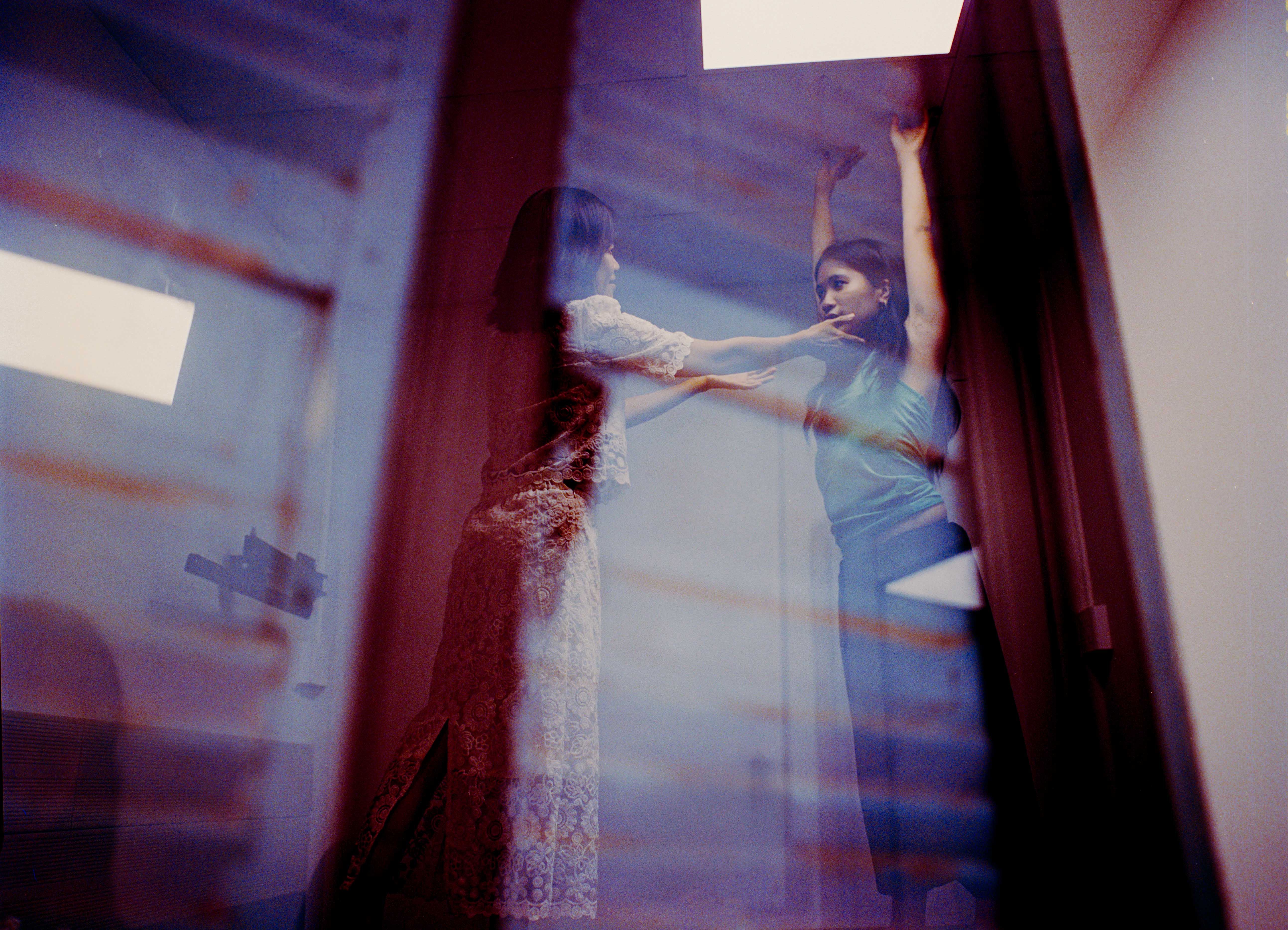
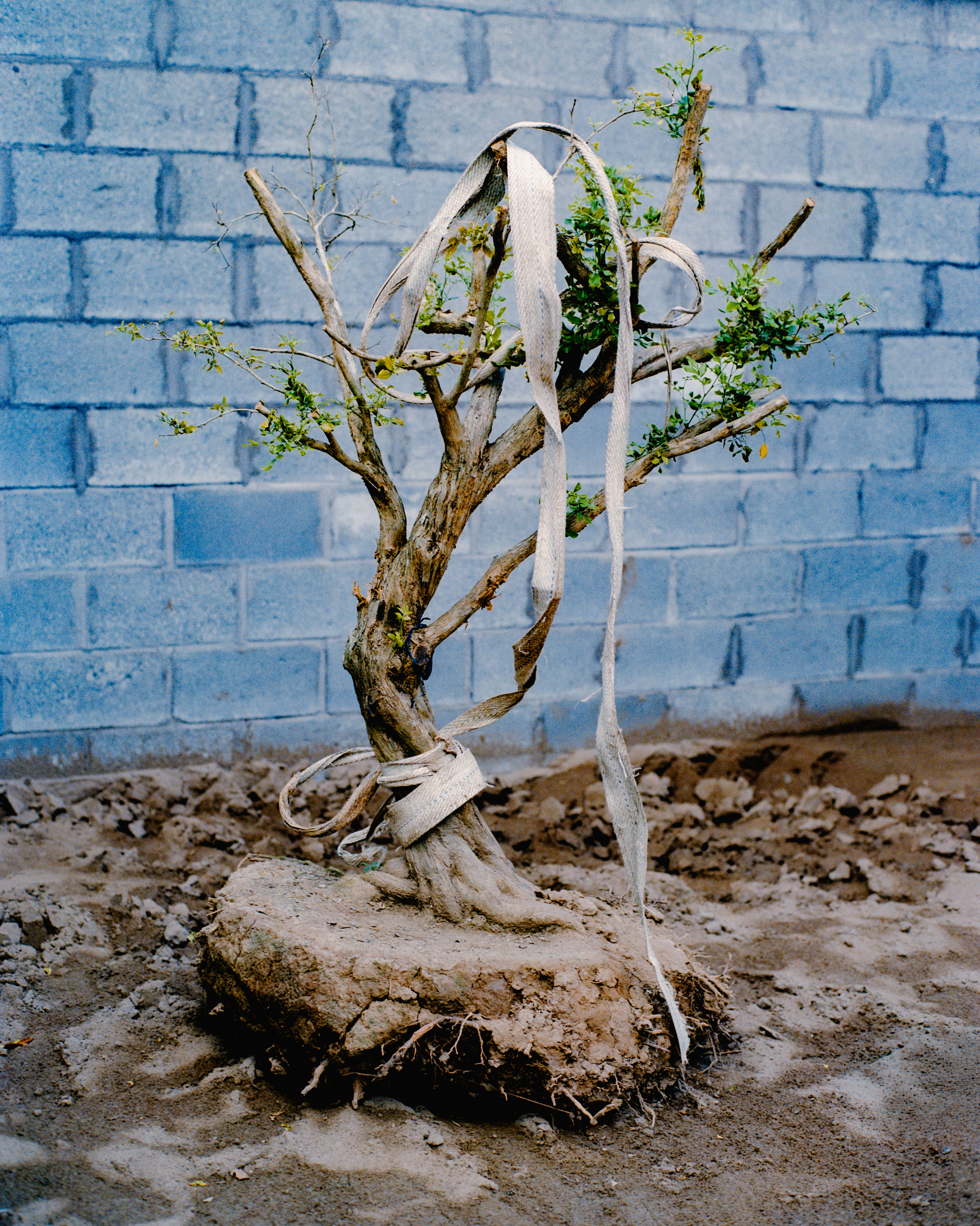
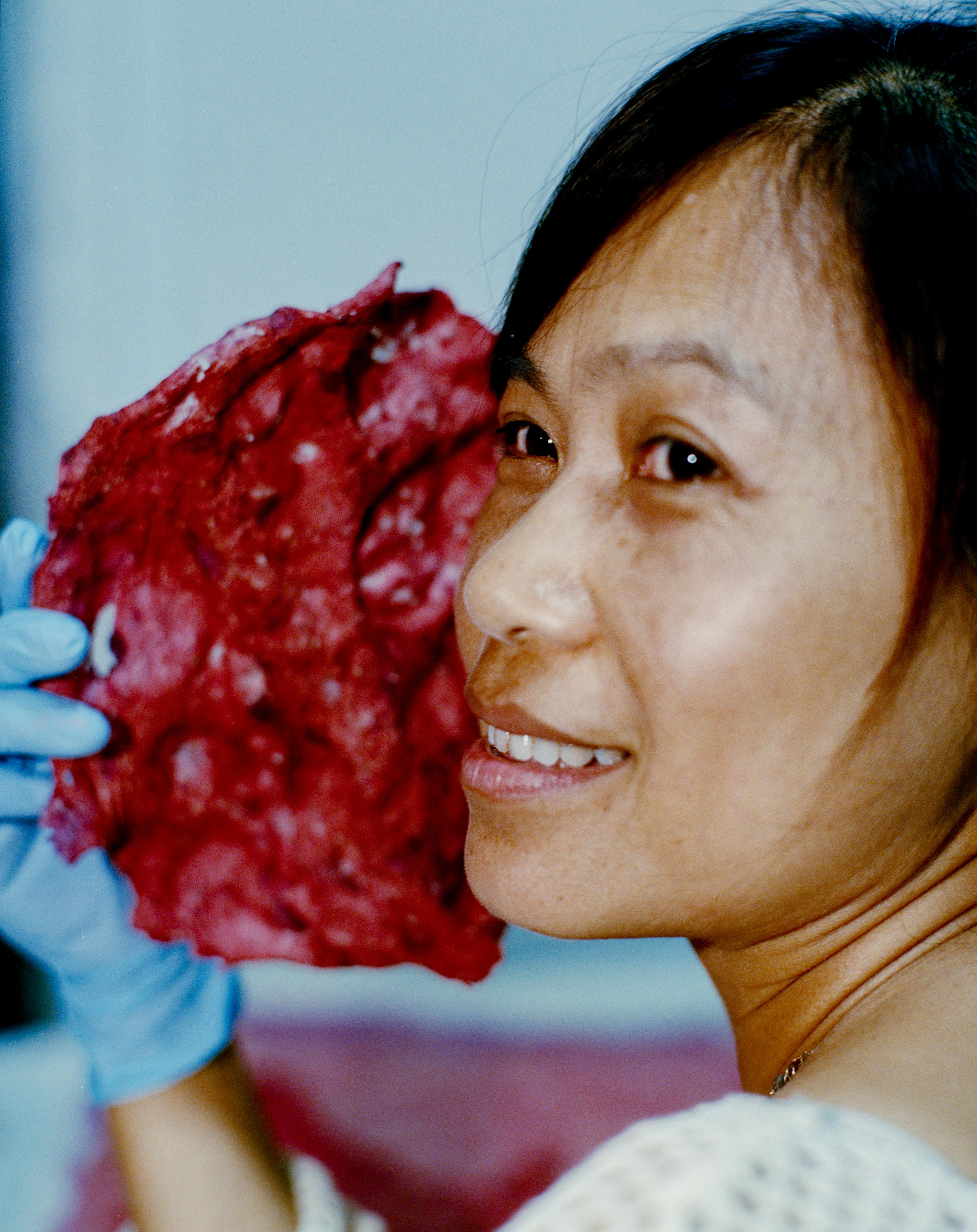
Witnessing these tensions reshaped Kry’s perspective of the distance that had grown between her and her mother. Her mother was tending
to not just plants, but the abandoned child that had defined her for decades. Kry holds onto the version of her mother that she once knew,
and learns to see the version she was becoming.
she was forced to flee 44 years ago as a child refugee, after decades of building a life in the United States.
Kry was struck by how unfamiliar and distant her mother had become. She was bony like the chickens she raised, darker skinned
from laboring in the fields, her manner sharper yet newly confident. The only thing that seemed unchanged was her mother’s flourishing
love for growing and nurturing living things.
Over time, it became clear that her mother’s return was marked not by belonging but by violent and disorienting attempts to
reintegrate into Vietnamese life. The roots and connection with her family she had hoped for remained out of reach. Her relatives
bore the same scars of war, and their demonstrations of affection masked a transactional dynamic based on her mother’s position as a
Vietnamese-American.
Witnessing these tensions reshaped Kry’s perspective of the distance that had grown between her and her mother. Her mother was tending
to not just plants, but the abandoned child that had defined her for decades. Kry holds onto the version of her mother that she once knew,
and learns to see the version she was becoming.